Menu
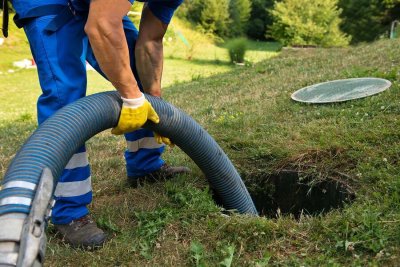
How Dirty Septic Tanks Cause Drain Problems

My experience started with my first interaction with the lady that handled my call. Everyone I spoke to was friendly, professional and down to earth.…

We have licensed septic tank system installers with years of experience.

Rooter Septic Services offers most reliable and affordable septic tank services in the area.

Rooter Septic Services is locally owned and operated septic company. Support a local business.

Rooter Septic Services is a Georgia registered licensed septic company offering insured and certified septic services.
.jpg)
Your septic tank plays a critical role in managing wastewater from your home, separating solids from liquids and allowing treated water to return safely to the soil. Inside the tank, heavier solids settle at the bottom to form sludge, while lighter materials like grease and oils float to the top as scum. Between these layers sits relatively clear wastewater that flows out into the drain field. Maintaining this balance is essential for proper system performance.
In this blog post, our professionals from Rooter Septic Services will explain what causes sludge buildup in septic tanks.
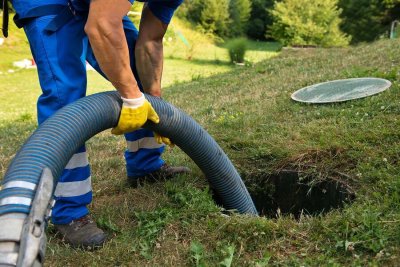
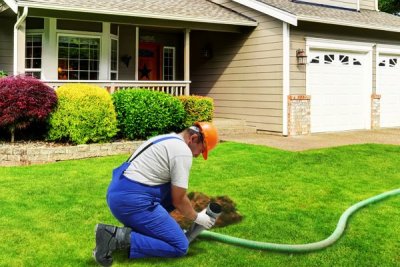
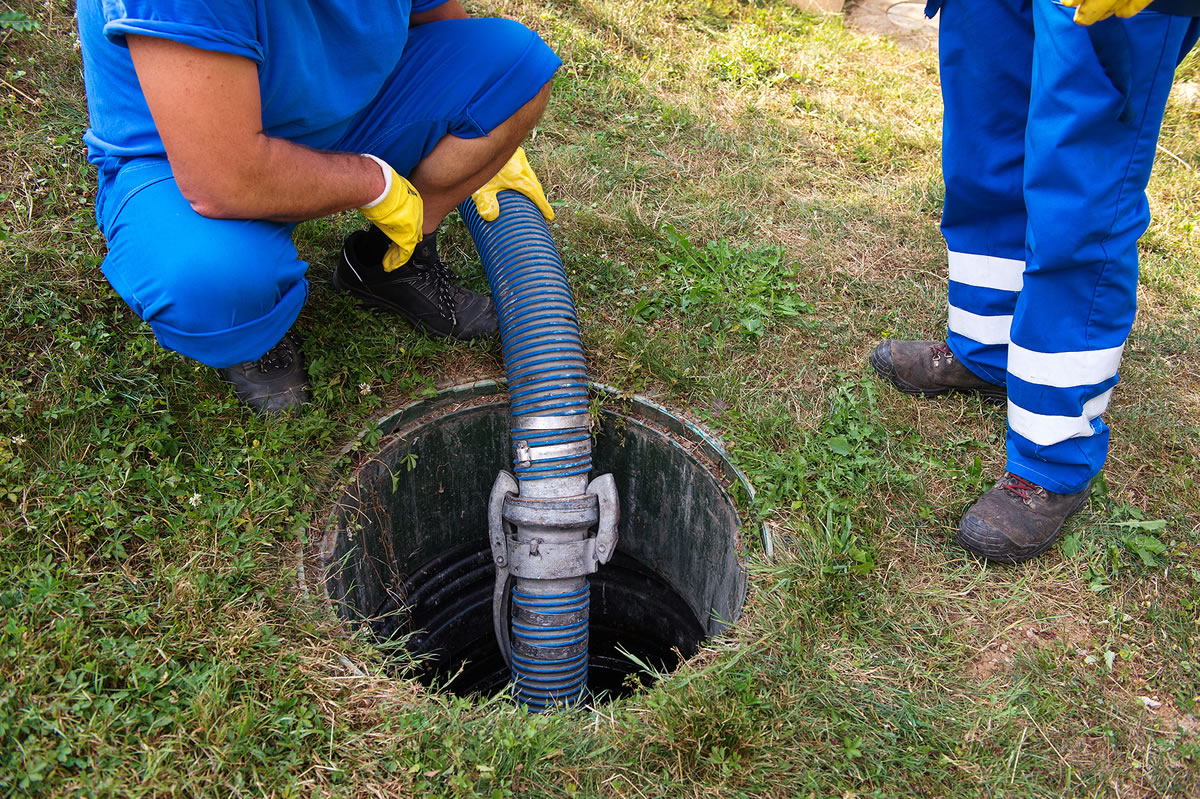
Every time toilets are flushed, dishes are washed, or showers are used, solid particles enter the septic tank along with wastewater. Human waste and toilet paper are expected components, and they naturally settle to the bottom over time. As more solids accumulate, the sludge layer grows thicker. Without routine septic pumping in Atlanta, this layer continues to expand until it reduces the available space for wastewater, increasing the risk of backups and drain field contamination. Regular septic cleaning by a trusted company removes this accumulated material and restores proper tank capacity.
High water usage contributes significantly to sludge buildup because it disrupts the tank’s ability to separate solids effectively. Running multiple loads of laundry in a short period, taking long showers, or allowing leaks to persist can overload the system. Excess water pushes solids toward the outlet pipe before they have time to settle properly. This can lead to partially treated waste entering the drain field, creating clogs and long-term damage. Managing daily water consumption and scheduling consistent septic service reduces strain on the tank and helps maintain efficient separation.
Items that do not break down easily in water are a major cause of excessive sludge accumulation. Paper towels, wipes labeled as “flushable,” feminine hygiene products, diapers, and other household waste do not decompose like toilet paper. Instead, they sink to the bottom and add to the sludge layer. Over time, these materials take up significant space and can form dense masses that are difficult to remove. A professional septic company has the equipment needed for thorough cleaning, but prevention begins with being mindful about what goes down the drain.
Kitchen waste plays a larger role in sludge buildup than many homeowners realize. Grease and cooking oils sent down the drain may float at first, but over time they combine with other materials in the tank and form dense, stubborn layers. Food scraps, particularly those processed through a garbage disposal, introduce additional solid matter that a septic system is not built to handle in high volumes. As these materials accumulate, the need for more frequent septic pumping increases, and the risk of clogs grows. Keeping grease out of the sink and minimizing food waste entering the system helps preserve tank capacity and supports a longer-lasting septic system.
Household cleaning products, antibacterial soaps, and chemical drain cleaners may seem beneficial for sanitation, but they can disrupt the natural bacterial balance inside your septic tank. Beneficial bacteria are responsible for breaking down organic solids and reducing sludge volume. Excessive chemical use kills these bacteria, slowing the decomposition process and causing solids to accumulate more rapidly. Partnering with a knowledgeable company ensures your septic service plan includes guidance on safe cleaning practices that support a healthy bacterial environment.
Are you in need of septic cleaning? Luckily, we at Rooter Septic Services have dedicated workers ready at your disposal. Contact our representatives for more questions.