Menu


My experience started with my first interaction with the lady that handled my call. Everyone I spoke to was friendly, professional and down to earth.…

We have licensed septic tank system installers with years of experience.

Rooter Septic Services offers most reliable and affordable septic tank services in the area.

Rooter Septic Services is locally owned and operated septic company. Support a local business.

Rooter Septic Services is a Georgia registered licensed septic company offering insured and certified septic services.
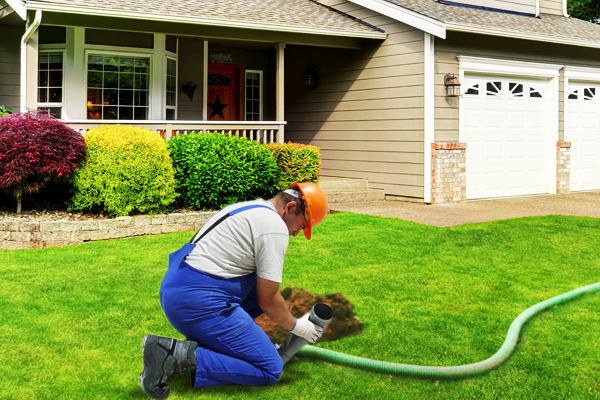
Taking care of a septic system doesn't require a major overhaul of how your household runs. A handful of deliberate adjustments to daily habits can extend the life of your system, reduce how frequently it needs to be pumped, and keep you from facing an emergency repair. Rooter Septic Services works with homeowners who are surprised to learn how many small changes at home make a big difference for your septic system without spending much money or effort. Keep reading to find out which adjustments hold the most weight and how to start making them today.
Most households run laundry by batching everything on Saturday. They run six or eight loads back to back and call it done. That habit pushes a massive volume of water into your septic tank in a short window, and your system cannot process it fast enough. The tank gets flooded before solids have settled, and partially treated water moves into the drain field. Repeated flooding like this compacts the soil in the drain field and reduces its ability to absorb effluent.
Spread laundry across the week to give your tank time to separate solids from liquid between cycles. High-efficiency washing machines also help since they use roughly 13 gallons per load compared to 40 gallons in older top-loaders.
One laundry load per day is a reasonable ceiling for most households. Going beyond that without giving your tank recovery time puts pressure on the drain field and increases how often you'll need septic pumping in Covington. A small scheduling change costs nothing and buys your system longevity.
Your septic tank works because of bacteria. The microbes break down solid waste continuously, and if the bacterial population drops, solids accumulate fast. Antibacterial soaps, bleach-heavy cleaners, and certain laundry detergents kill bacteria. A tank with a weakened bacterial culture fills up faster and requires more frequent septic cleaning to compensate. Switching to septic-safe products means you have to read the labels before you buy. Look for:
You don't have to replace everything at once. Swap products as you run out. Within a few months, your tank's bacterial environment will stabilize, and you'll probably notice fewer odor issues as a result.
Everything that goes down your drains ends up in your septic tank. Grease, food, and non-biodegradable materials don't break down the way organic waste does. Grease in particular solidifies in the tank and builds a crust layer on top of the liquid that thickens with every additional pour. The crust reduces the tank's working volume and accelerates the need for septic service in Cumming, GA. A few specific habits eliminate most of the problems:
Hair and grease are two of the biggest contributors to premature buildup in residential tanks. Taking care of both at the drain level costs almost nothing compared to what an emergency pump-out or baffle repair runs. Your septic company will confirm the same thing at every scheduled visit. The technician pulling your tank lid will show you what accumulates when these habits slip.
Most homeowners don't know when their tank was last pumped. They call a septic company when something goes wrong, and that kind of reactive pattern is expensive. A tank that goes five or six years without septic pumping can develop drain field issues that cost several times more to repair than the pump-out. A pumping log takes five minutes to create and zero effort to maintain. Write down:
Most tanks in a three-bedroom home need to be pumped every three to five years. Larger households or smaller tanks may need a service every two to three years. Keeping a record lets you schedule proactively instead of guessing. It also gives a technician who visits your property useful history to work from. If you sell your home, that log also documents proper maintenance to prospective buyers, which can matter during inspection.
None of these changes requires a lot of time or money. Each one reduces the burden on your tank and extends the window between service calls. Taken together, they add up to a system that lasts longer and costs less to maintain. When you notice a slowdown in drains, gurgling from fixtures, or wet spots near your drain field, don't wait to call. Those are early signs that your tank needs attention. Scheduling a routine septic service before problems arrive is always less disruptive and expensive than emergency work. When it's time for your next septic pumping or septic cleaning, Rooter Septic Services is ready to help. Contact us to schedule your appointment.