Menu

My experience started with my first interaction with the lady that handled my call. Everyone I spoke to was friendly, professional and down to earth.…

We have licensed septic tank system installers with years of experience.

Rooter Septic Services offers most reliable and affordable septic tank services in the area.

Rooter Septic Services is locally owned and operated septic company. Support a local business.

Rooter Septic Services is a Georgia registered licensed septic company offering insured and certified septic services.
.jpg)
Eco-friendly choices at home are more popular than ever, from using solar panels and composting food waste to reducing plastic use and choosing energy-efficient appliances. However, one important system that often gets overlooked is your septic system. Taking care of it matters, as neglecting it can cancel out many of the environmental benefits you’ve worked hard to achieve.
In this blog post, our professionals from Rooter Septic Services will talk about why your septic system deserves a place in your sustainability plan and what you can do to keep it running clean.
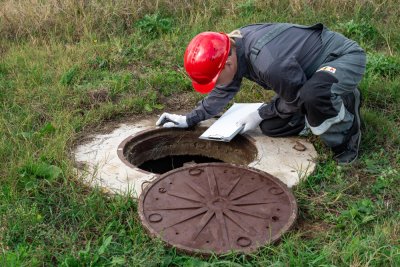
Your septic system is essentially a natural wastewater treatment plant built right into your yard. It processes household waste through a combination of biological activity and soil filtration, returning treated water to the ground and protecting nearby water sources. A well-maintained system does this work efficiently and without contaminating the surrounding environment. A neglected one, however, can leach harmful bacteria, excess nitrogen, and phosphorus into groundwater, nearby streams, and soil, causing damage that takes years to reverse.
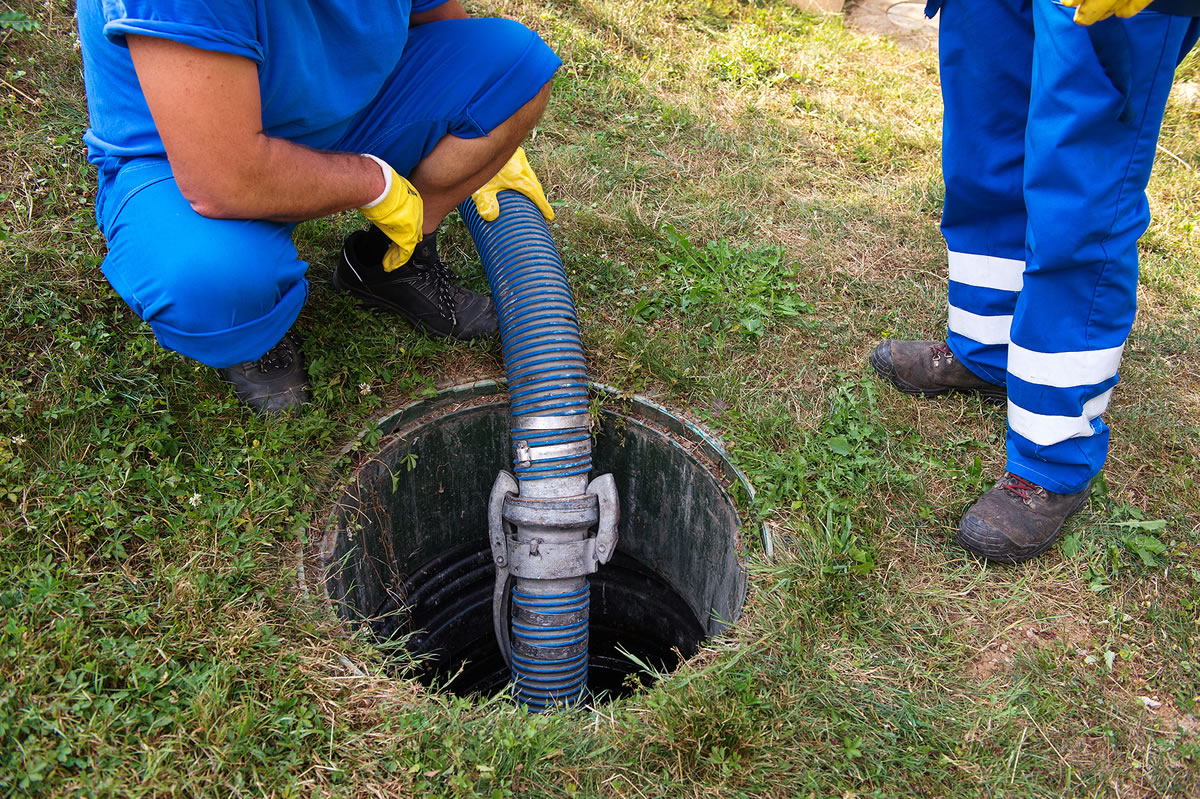
One of the most impactful things you can do for both your system and the environment is to schedule regular septic pumping in Atlanta. With time, solid waste accumulates in the tank and if it's not removed, it begins to overflow into the drain field. This causes soil clogging, system failure, and serious contamination of the surrounding land and water. Most households need septic pumping every three to five years, depending on usage and tank size. Staying on schedule prevents costly damage and keeps harmful waste where it belongs, inside your system and not in the ecosystem around your home.
Thorough septic cleaning goes a step beyond pumping by removing the residual sludge and scum buildup that clings to the walls and components of the tank. This deeper level of maintenance keeps the biological processes inside the tank working efficiently, which means waste is broken down more completely before it ever reaches the drain field. For eco-conscious households trying to reduce their environmental footprint, septic cleaning is a direct investment in cleaner soil and groundwater on and around your property.
Not all maintenance providers approach the job with the same level of care or environmental responsibility. When choosing a septic service, look for providers who properly dispose of waste at licensed facilities, use equipment that minimizes ground disturbance, and take the time to inspect your system thoroughly rather than just emptying the tank and leaving. A quality septic service will also flag early signs of trouble such as cracked baffles, root intrusion, or drain field stress before those issues become full-blown failures that can harm the environment.
Partnering with a reputable septic company is about more than convenience. It is about trusting that the professionals handling your system understand the environmental stakes involved. A good company will offer transparent pricing, proper licensing, and a commitment to responsible waste handling. Ask questions about where pumped waste goes and how they handle spills or unexpected system issues. The right company will welcome those questions since they take their role in protecting local water quality just as seriously as you do.
Your daily habits have a direct impact on how well your septic system performs. Avoid flushing wipes, medications, grease, or harsh chemical cleaners down the drain, as these disrupt the bacterial balance inside the tank and can damage the drain field over time. Use water efficiently to avoid overloading the system, and consider switching to biodegradable, septic-safe cleaning products. These small changes complement your professional maintenance routine and help extend the life of your system while reducing its overall environmental impact.
Are you in need of septic cleaning? Luckily, we at Rooter Septic Services have dedicated workers ready at your disposal. Contact our representatives for more questions.