Menu


My experience started with my first interaction with the lady that handled my call. Everyone I spoke to was friendly, professional and down to earth.…

We have licensed septic tank system installers with years of experience.

Rooter Septic Services offers most reliable and affordable septic tank services in the area.

Rooter Septic Services is locally owned and operated septic company. Support a local business.

Rooter Septic Services is a Georgia registered licensed septic company offering insured and certified septic services.
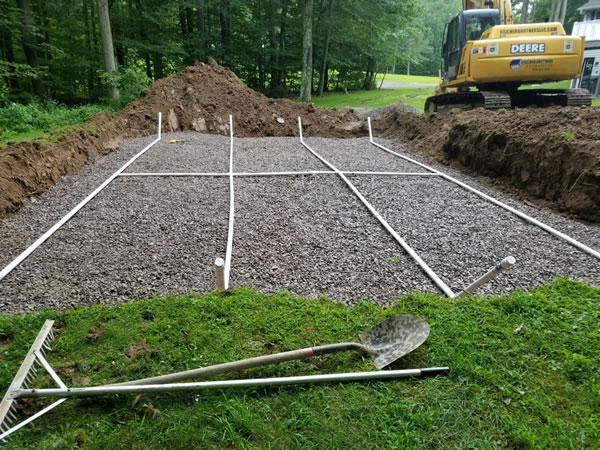
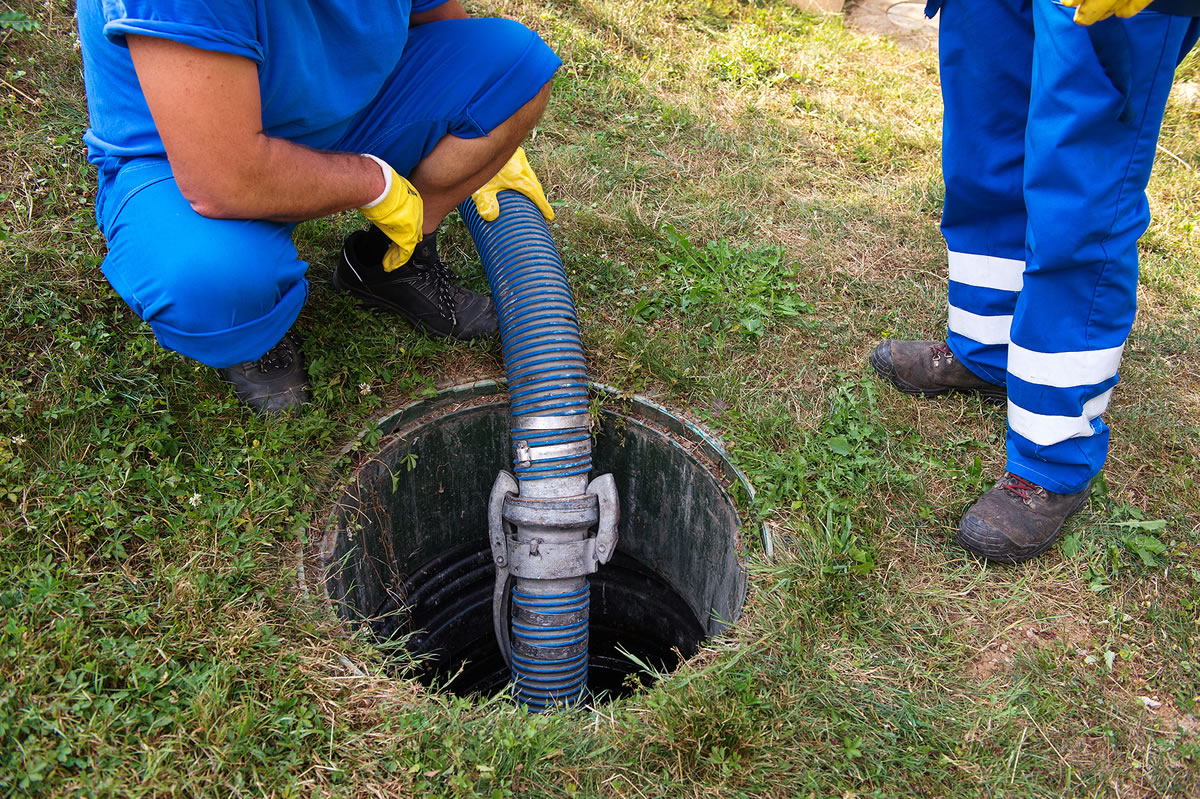
Many homeowners who rely on septic systems do not think much about what’s going on underground until raw sewage starts backing up, foul odors become unbearable, or the drain field fails. The septic tank is buried underground where it works quietly, which makes it easy to forget it requires regular septic pumping in Atlanta. Skipping this key maintenance task can lead to a damaged drain field, slow drains, and property damage. In this article, Rooter Septic Services explains how ignoring septic pumping can result in drain field damage.
It’s advisable to pump out your septic tank when the combined layers of scum and sludge reach 25% to 35% of the tank’s total volume. If these layers exceed the acceptable limit, the solids will escape into the drain field where they can clog perforated pipes and damage the soil filtration system. Solid waste in the drain field can block the small holes in the distribution pips and seal the soil pores so water can no longer drain. The solids can also create biomat that stops wastewater absorption. This is the point where you’ll start to notice slow drains, standing water, mushy ground directly over the drain field, and foul odors lingering in your yard. If you notice any of these signs, reach out to a nearby septic company for a septic inspection.
The US EPA recommends scheduling septic pumping ever 3 to 5 years, but the actual timeline depends on household size, sludge levels, water use, and habits. The best way to know your true pumping schedule is to get routine inspections, measure solids using a sludge judge, and match usage.
When a septic tank reaches its limit, solids no longer stay inside the tank. Instead, they begin flowing into the drain field along with the wastewater. The drain field is only designed to handle liquids, not solid waste.
As solids enter the drain field, they clog the perforated pipes and surrounding soil. Once these openings become blocked, wastewater can no longer drain properly. This creates pressure throughout the entire septic system and often leads to slow drains, unpleasant odors, and sewage backups inside the home. It’s best to work with a reliable septic company to come up with a customized maintenance plan for your septic system.
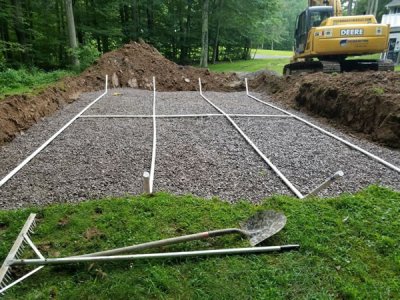
Believe it or not, the drain field is one of the most expensive parts of the septic system to repair or replace. A standard septic drain field replacement costs between $5,000 and $15,000, with most homeowners spending an average of $10,000.
Apart from the high cost of drain field replacement, a failing system can cause environmental harm. When the perforated pipes are clogged and the soil is compacted, septic wastewater can flow into the nearby water sources. Not only does this become a public safety issue, but it can also result in fines from the environmental department for neglecting your septic system. Furthermore, the thought of an aging drain field can be a deal breaker for most homeowners. That’s why you should never skip septic cleaning and pumping if you’re considering selling your home in the near future. Show potential buyers that your septic system is in top shape and you’ll have a smooth sale process.
If you don’t stay on top of septic cleaning, the consequences of neglecting your septic system can be overwhelming. Everything from costly repairs and health hazards to environmental harm and reduced home value. Scheduling septic maintenance as needed is the best way to keep the system in good working order. At Rooter Septic Services, we pride ourselves on offering a full range of septic services at budget-friendly rates. If you are not sure when your tank was last pumped, now is the time to schedule an appointment with Rooter Septic Services. Contact us now!