Menu

My experience started with my first interaction with the lady that handled my call. Everyone I spoke to was friendly, professional and down to earth.…

We have licensed septic tank system installers with years of experience.

Rooter Septic Services offers most reliable and affordable septic tank services in the area.

Rooter Septic Services is locally owned and operated septic company. Support a local business.

Rooter Septic Services is a Georgia registered licensed septic company offering insured and certified septic services.

Most people blame the drain when water starts moving slowly. Perhaps, the kitchen sink is backing up, the shower takes forever to empty, or the toilet starts acting strangely. Naturally, the first thought is that something must be stuck in the pipe!
Sometimes that is true. But in many homes with septic systems, the real problem is happening underground inside the septic tank itself. A dirty septic tank does not just stay contained inside the tank. Over time, it affects the entire plumbing system connected to it.
A healthy septic tank works quietly in the background. Wastewater flows in, solids settle at the bottom, lighter materials float to the top, and the cleaner liquid moves out toward the drain field. That process only works when the tank has enough space to separate everything properly. As solids build up over time, that space disappears.
When a tank becomes overloaded, wastewater can no longer move through the system the way it should. That is when drain problems begin showing up inside the house.
One slow drain may not mean much. But when multiple drains throughout the home start slowing down at the same time, it is often connected to the septic system. The tank may be so full that wastewater cannot flow freely anymore. Instead of moving efficiently underground, water starts backing up slightly through the plumbing.
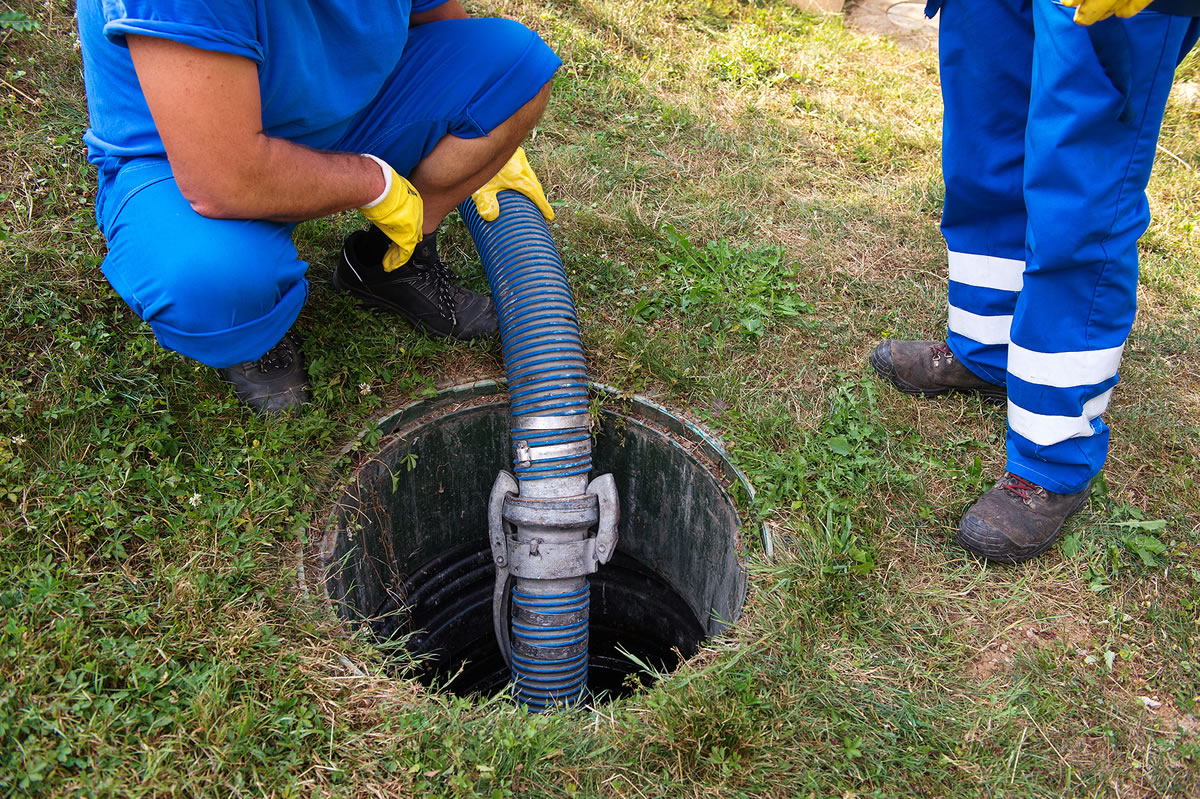
This is usually the stage where septic pumping is needed before the problem becomes more serious.
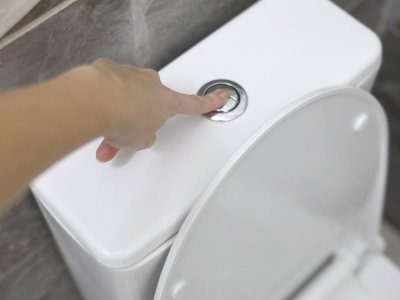
A struggling septic system often creates strange sounds inside the plumbing. Toilets may bubble after flushing. Sinks may gurgle while draining. That sound comes from trapped air caused by restricted wastewater flow. It is one of those warning signs people tend to ignore until the backup becomes impossible to miss.
A proper septic cleaning by Rooter Septic Services can often prevent a much larger problem later.
Once the septic tank becomes too full, wastewater has nowhere to go. The result is exactly what homeowners fear most. Sewage backing up into tubs, sinks, or toilets. At that point, the issue is no longer just inconvenient. It becomes a sanitation problem that requires immediate septic service!
What makes these situations frustrating is that they usually develop slowly. The warning signs were there long before the backup happened.
An overloaded septic tank does more than slow drains inside the home. Excess solids can escape into the drain field, where they clog the soil and interfere with proper filtration. Once the drain field is damaged, repairs become significantly more expensive than routine septic pumping would have been.
That is why regular maintenance matters so much. Cleaning the tank protects the entire system connected to it.
People often think of drains and septic systems as separate issues, but they are closely connected. When the septic tank struggles, the plumbing inside the house struggles with it.
At Rooter Septic Services, we have seen how quickly a neglected tank can turn into a household drainage problem. The good news is that regular septic cleaning and proper maintenance keep most of these issues from happening in the first place.
Let us help you evaluate and rectify any issues you have with your septic. Feel free to visit us or call for all the info you should ever need about safety tanks.