Menu


My experience started with my first interaction with the lady that handled my call. Everyone I spoke to was friendly, professional and down to earth.…

We have licensed septic tank system installers with years of experience.

Rooter Septic Services offers most reliable and affordable septic tank services in the area.

Rooter Septic Services is locally owned and operated septic company. Support a local business.

Rooter Septic Services is a Georgia registered licensed septic company offering insured and certified septic services.

Plumbing problems can arise when you least expect them, disrupting your routine and causing extensive damage. The situation is worse when it involves your septic system, as it can be incredibly inconvenient and pose serious health risks to your family. Fortunately, troubleshooting plumbing problems can be avoided by hiring a trusted septic company in Atlanta, GA for routine maintenance. At Rooter Man Plumbing, we offer comprehensive plumbing maintenance, keeping your wastewater system running smoothly for years to come. If you prefer a more hands-on approach, a "flush test" can be an effective troubleshooting method to determine if your septic system is a ticking time bomb.
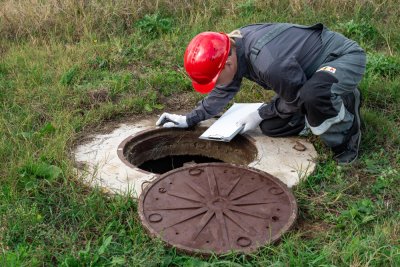
Wastewater flows into the septic tank for the separation of solids and liquids, whereby the solids remain in the tank and effluent flows into the drain field for further filtration. When issues arise that impede this process, a “flush test” can help you take a more proactive approach towards maintenance. This test refers to a series of septic troubleshooting methods, each aimed at specific issues. Let’s explore the most commonly used diagnostic technique to help you make informed decisions.
A dye test is usually preferred if a septic system is discharging raw sewage to the surface or nearby water sources. This is a sign of system failure, and a dye test can help address the problem before it escalates. A professional septic service provider flushes a non-toxic, colored dye down the toilet and monitors the system for several days. If you notice colored water pooling over the drain field, in ditches, or near water bodies, then it is likely a failing drain field or leach field.
The primary goal of a flow or load test is to see how well the system handles a normal volume of water. A large volume of water, typically from repeated flushing, running faucets, or the garden hose, is run through the system as the technician monitors the levels in the septic tank and the performance of the drain field. This helps detect backups, slow drainage, or clogs in the pipes before they escalate into major issues.
A home toilet paper test is ideal for DIY enthusiasts, as it involves checking if the toilet paper is compatible with the septic system. Place a few sheets of toilet paper in a jar of water and shake it. If the paper breaks down quickly into tiny pieces, it is safe for your wastewater system. On the other hand, a toilet paper that remains intact or mostly intact is likely to take longer to break down and may clog the system.
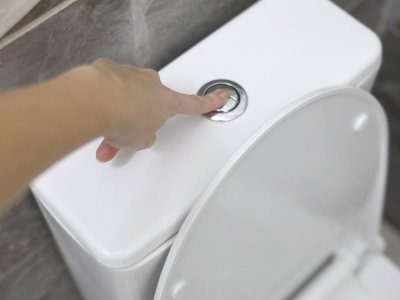
Another DIY-friendly diagnostic method is the basic “flush test,” often preferred after repairs like replacing a flapper or as a monthly maintenance inspection. Flush the toilet and observe if it is quick and complete. If you notice a slow-draining or gurgling toilet, it suggests internal problems or a severe blockage. In such cases, call a septic pumping service to get ahead of the problem.
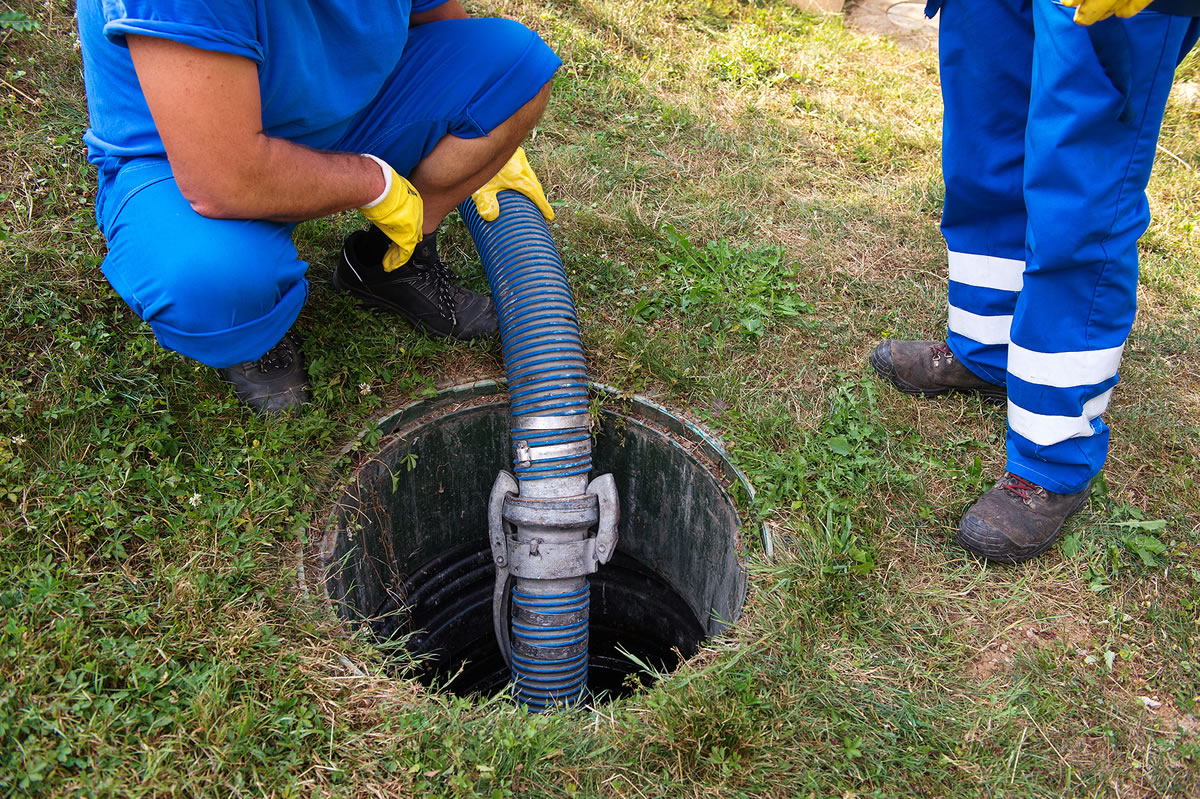
If you notice signs of system failure or malfunction, conducting a “flush test” can help you determine the best course of action. However, consulting a certified septic company for professional assistance is key to accurate diagnosis and tailored solutions that align with your specific needs.
As a seasoned septic service, Rooter Man Plumbing is your trusted partner for quality and long-term solutions. Whether it is a quick fix or routine septic cleaning, rest assured that we have you covered. Contact us today and book an appointment with our experts to keep your septic system functional, safe, and reliable year-round.