Menu

Why Harsh Chemicals Can Destroy Your Septic Tank

My experience started with my first interaction with the lady that handled my call. Everyone I spoke to was friendly, professional and down to earth.…

We have licensed septic tank system installers with years of experience.

Rooter Septic Services offers most reliable and affordable septic tank services in the area.

Rooter Septic Services is locally owned and operated septic company. Support a local business.

Rooter Septic Services is a Georgia registered licensed septic company offering insured and certified septic services.
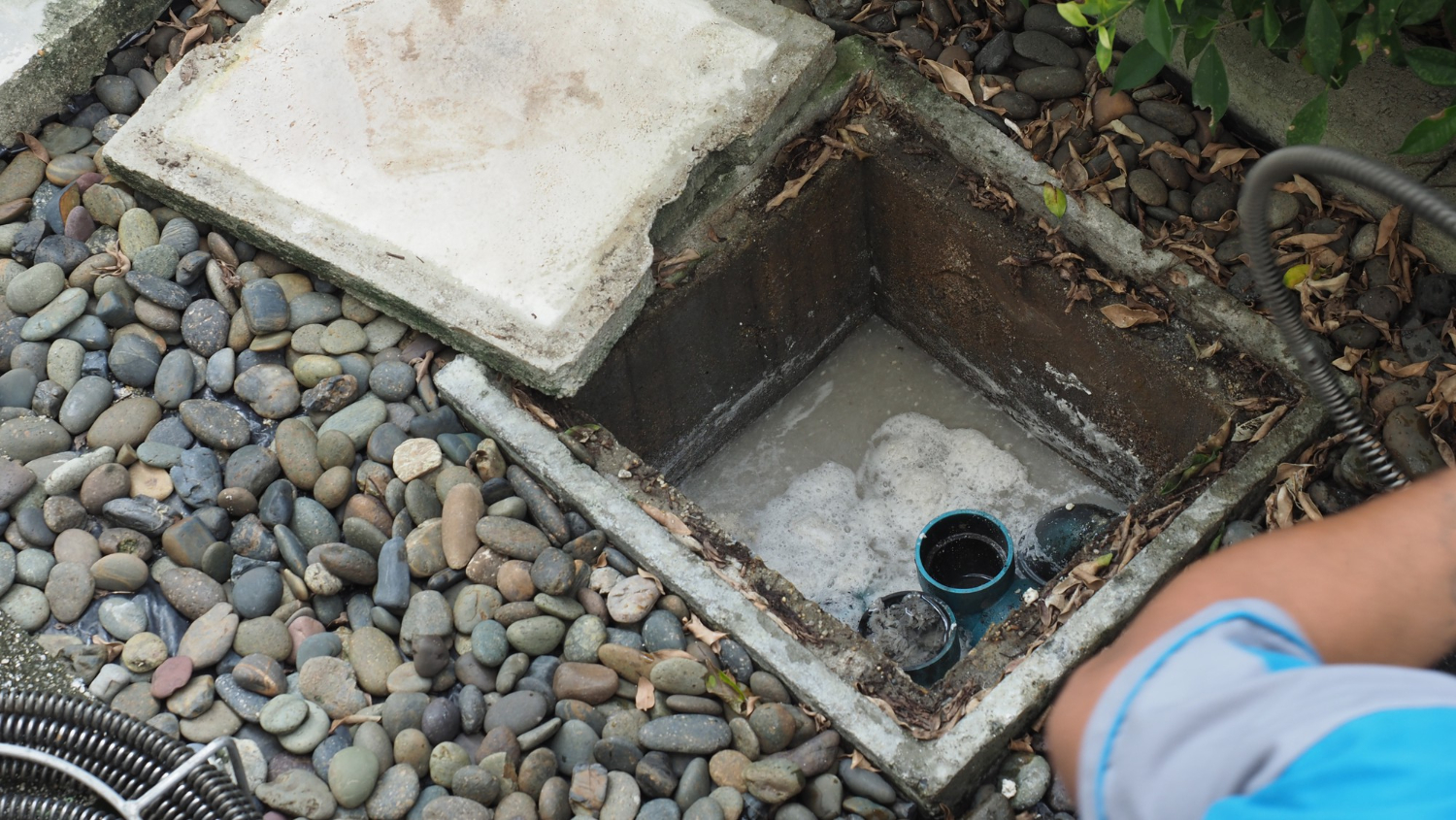
Strange smells drifting through your home can quickly turn comfort into concern. A full septic tank is often the source of that unpleasant surprise, and ignoring it can lead to more than just embarrassment. Odors signal that your system is struggling to manage wastewater properly, and that struggle can push gases and waste back toward your living spaces. Septic systems are designed to contain and treat waste efficiently, but capacity limits matter. Once those limits are reached, pressure builds and gases seek an escape route, sometimes through drains, toilets, or even tiny cracks in plumbing connections.
In this blog post, our professionals from Rooter Septic Services will explain how a full septic tank causes bad smells inside your house and what steps you can take to restore a fresh, healthy environment.
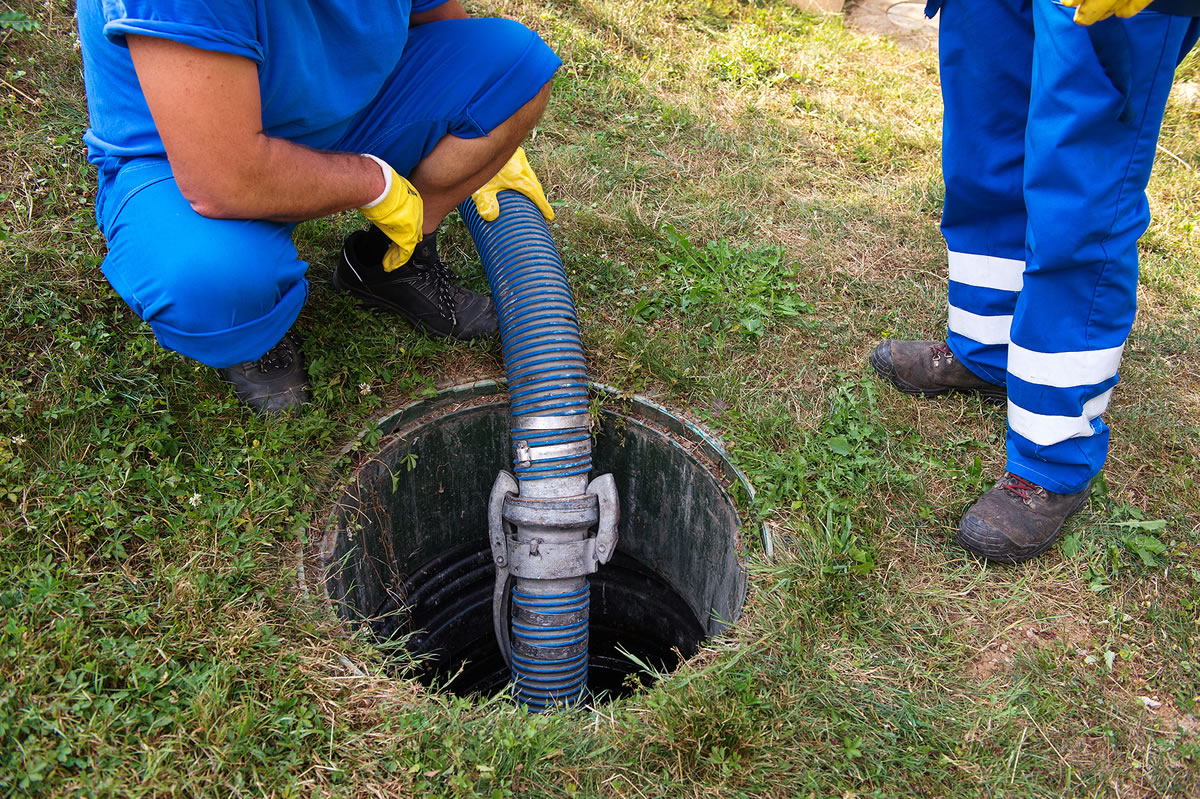
Every time water flows down a drain, it enters your septic tank along with organic waste and household debris. Solid waste settles at the bottom, oils and grease float to the top, and liquid wastewater moves into the drain field for further treatment. Over time, the layers of sludge and scum grow thicker, reducing the available space for new wastewater. Without regular septic pumping in Atlanta, the tank eventually reaches capacity and loses its ability to separate waste effectively. As the system becomes overloaded, solids can clog pipes and restrict airflow, leading to pressure imbalances that push foul-smelling gases back through your plumbing fixtures and into your home.
Unpleasant odors from a full septic tank are typically caused by gases such as hydrogen sulfide and methane. These gases form naturally as waste breaks down, and they are meant to vent safely through your plumbing’s ventilation system. If the tank is too full or if blockages develop, those gases cannot escape as intended. Instead, they may seep through drains, especially in sinks, showers, or floor drains that lack sufficient water in their traps. The result is a strong sewage smell inside your house that seems to linger no matter how much air freshener you use. A timely septic cleaning can remove accumulated waste and restore proper airflow, eliminating the source of the odor rather than simply masking it.
Odor is often the first clue, but it is rarely the only one. Slow drains throughout your home can indicate that wastewater is not moving freely into the tank. Gurgling sounds from toilets or sinks suggest trapped air caused by restricted flow. In more advanced cases, wastewater may back up into tubs or toilets, creating an urgent and unsanitary situation. Outside, patches of unusually lush grass or soggy soil near the drain field may signal that the tank is overflowing. Recognizing these signs early allows you to contact a septic company before the issue escalates into costly damage and health hazards.
Living with sewage odors is not merely unpleasant, it can also pose health concerns. Septic gases in high concentrations may cause headaches, nausea, or respiratory irritation. Prolonged exposure to harmful bacteria from wastewater backups increases the risk of infection, especially for children, elderly family members, or anyone with a weakened immune system. Maintaining a properly functioning system through routine septic service protects indoor air quality and reduces the likelihood of exposure to dangerous contaminants. Fresh air inside your home starts with a well-maintained septic system beneath your yard.
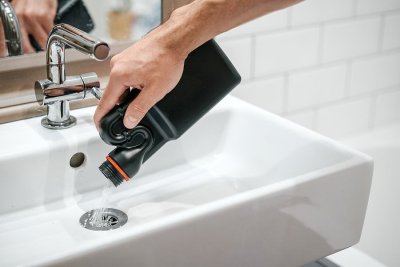
Attempting to solve septic odors with store-bought chemicals or quick fixes often leads to temporary relief at best. Harsh additives can disrupt the natural bacteria that break down waste, potentially worsening the problem over time. Professional septic service provides a comprehensive approach that includes inspecting tank levels, checking for leaks or cracks, evaluating the drain field, and ensuring proper ventilation. Technicians use specialized equipment to remove waste safely and efficiently, restoring balance to your system. Relying on experienced professionals makes sure that the root cause of the odor is addressed rather than overlooked.
Long-term odor prevention involves mindful water use and responsible waste disposal. Limiting excessive water flow reduces strain on the tank, while avoiding the flush of non-biodegradable items keeps pipes clear. Grease, wipes, and harsh chemicals can interfere with the breakdown process and accelerate tank buildup. Partnering with a trusted company for ongoing service ensures that minor issues are detected early. Regular inspections, combined with scheduled septic pumping, provide peace of mind and help maintain a clean, odor-free home environment.
Are you in need of septic cleaning? Luckily, we at Rooter Septic Services have dedicated workers ready at your service. Contact our representatives for more questions.