Menu

My experience started with my first interaction with the lady that handled my call. Everyone I spoke to was friendly, professional and down to earth.…

We have licensed septic tank system installers with years of experience.

Rooter Septic Services offers most reliable and affordable septic tank services in the area.

Rooter Septic Services is locally owned and operated septic company. Support a local business.

Rooter Septic Services is a Georgia registered licensed septic company offering insured and certified septic services.
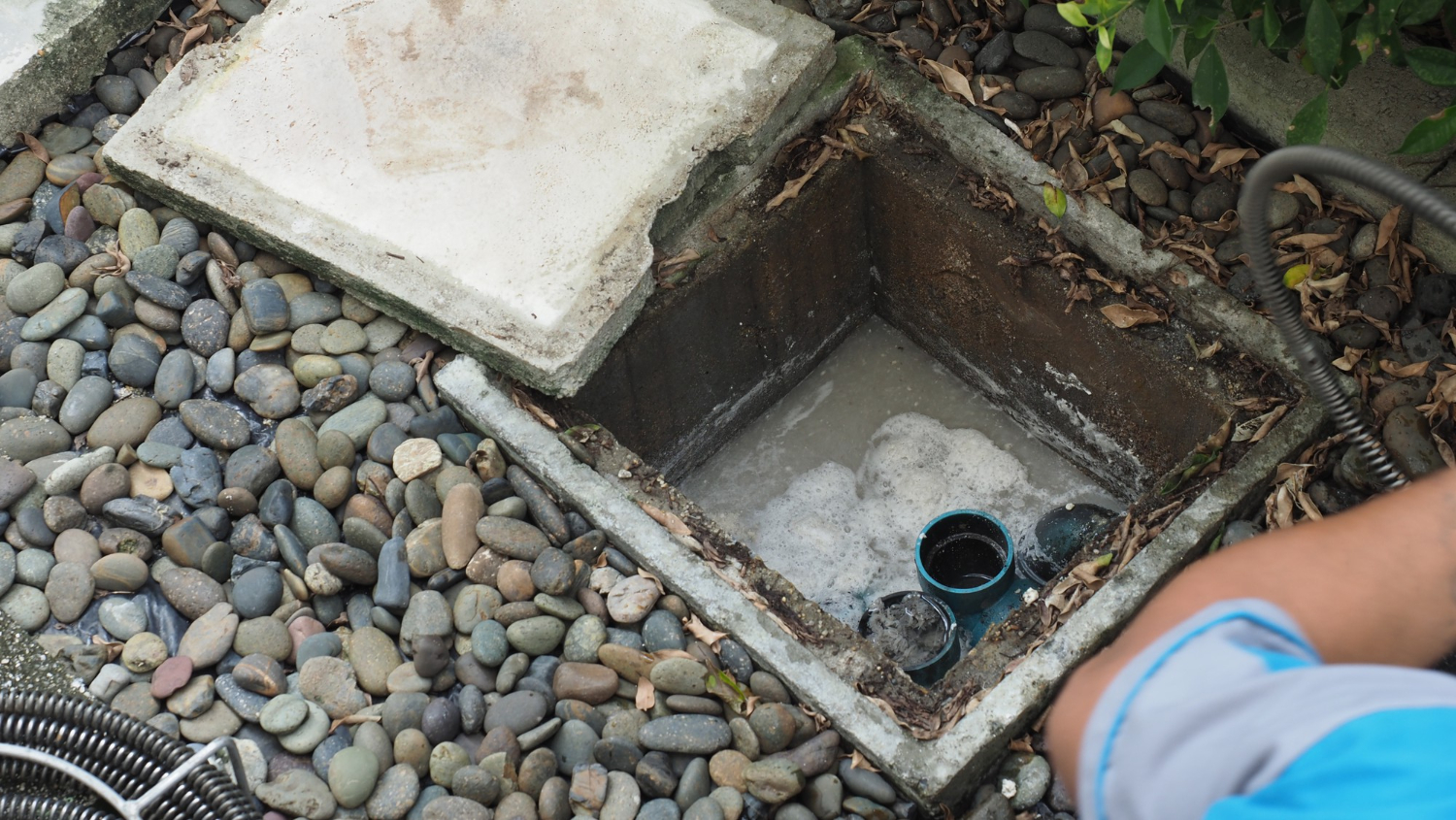
Residential and commercial properties rely on a network of drainage and sewer lines to efficiently carry wastewater to a septic system. If you have an on-site wastewater treatment unit, it is essential to be aware of what you dispose of. Unlike public systems, septic tanks are more sensitive and can easily break down if you allow the wrong waste down the drain or toilet, risking devastating damage and costly repairs. As a reputable septic company in Atlanta, we understand the crucial role these systems play in waste management, especially in properties without a municipal sewer line. Here are common items that should always stay in bins to avoid serious plumbing and environmental problems.
Cooking oils, fats, and grease are rarely a concern in liquid form, but they are the biggest causes of blocked pipes. When you rinse dirty dishes in the sink or use the dishwasher without scraping the utensils, these substances can cool and solidify. Over time, clinging FOG inside your pipes traps food waste and other debris, creating bigger blockages that smell bad and cause overflows. Septic service providers recommend allowing these items to cool and solidify so that you can dispose of them in the trash.
Another common cause of drainage problems is the buildup of coffee grounds in the drain. While coffee grounds seem small and harmless, they do not break down and accumulate in the tank and pipes. If left unchecked, coffee grounds bind together and form dense clumps that restrict the flow of liquid effluent. Rather than disposing of coffee grounds down the sink, reuse them as manure for your garden to boost nitrogen in the soil. By disposing of your coffee grounds in an eco-friendly way and prioritizing routine septic cleaning, you can ensure smooth system operation throughout the year.
Septic systems are designed to handle organic waste, typically human waste and toilet paper, as it breaks down easily. Although food scraps are organic, they often settle in joints and bends of pipes. Furthermore, food waste in the septic system disrupts the bacteria that break down waste, causing sewer smells and overflows in your yard. The best way to avoid such scenarios is to scrape leftover food into the trash bin or compost. Also, regular septic pumping and cleaning can keep your unit running efficiently and smoothly.
Did you know that many household cleaning products are not safe for your septic system? Whether it is chlorine, ammonia, or bleach, these products drain into the tank and kill the beneficial bacteria. Although the damage is not instantaneous, prolonged use can lead to messy septic cleaning emergencies down the line. Similarly, solvents, paints, and other toxic products can linger in the system for years. After a paint job, dispose of the leftover chemicals at a local hazardous or recycling waste facility. It is essential to consult a septic company for routine maintenance, especially after allowing these products to enter the tank.
Despite what manufacturers label their products, wet wipes, feminine hygiene products, and paper towels are not biodegradable. This means that they take longer to break down, clogging the system and obstructing wastewater. If you do not want a severe blockage or nasty surprises, ensure these items do not enter your drain lines and have a septic service provider inspect your system regularly and create a maintenance plan that aligns with your needs.
The reality is that what goes down your drains and toilets does not just vanish, and may have negative effects on your septic system. If you are concerned about your unit or want to ensure everything is in good working order, contact Rooter Septic Services for professional help. We provide comprehensive services, including inspections and septic pumping, protecting your home and the environment.