Menu

My experience started with my first interaction with the lady that handled my call. Everyone I spoke to was friendly, professional and down to earth.…

We have licensed septic tank system installers with years of experience.

Rooter Septic Services offers most reliable and affordable septic tank services in the area.

Rooter Septic Services is locally owned and operated septic company. Support a local business.

Rooter Septic Services is a Georgia registered licensed septic company offering insured and certified septic services.

Whether you rely on a septic system or a sewer line, it’s important to know what not to put down your drains. While it may be tempting to dispose of various items down the toilet or sink, non-biodegradable items can lead to serious clogs, backups, and costly repairs. You should only flush human waste and toilet paper down the toilet. Items like paper towels, flushable wipes, feminine hygiene products, grease, cooking oil, and diapers can harm your septic system. As a trusted septic company in Atlanta, Rooter Septic Services is here to highlight the items that shouldn’t go down the drain.
Toilet paper is designed to disperse in water relatively quickly. Many wet wipes are made with stronger fibers that help them stay intact during use. That durability becomes a problem when wipes enter the drainage system.
As they travel through pipes, wipes can snag on rough surfaces, collect around existing obstructions, or combine with grease, hair, and other debris. Over time, this buildup can restrict wastewater flow and cause toilets to flush slowly, drains to gurgle, or sewage to back up into the home.
A single wipe may pass through your plumbing without an immediate problem, but repeated flushing increases the chance of accumulation. In older sewer lines with corrosion, root intrusion, or damaged joints, wipes may catch more easily and contribute to blockages.
Wet wipes are not the only products that can create trouble. Even items that seem small or harmless can collect inside pipes or interfere with wastewater treatment.
The safest rule is straightforward: flush human waste and toilet paper only. Place other personal care products in a lined trash bin. It’s also advisable to schedule septic cleaning every 3 to 5 years.
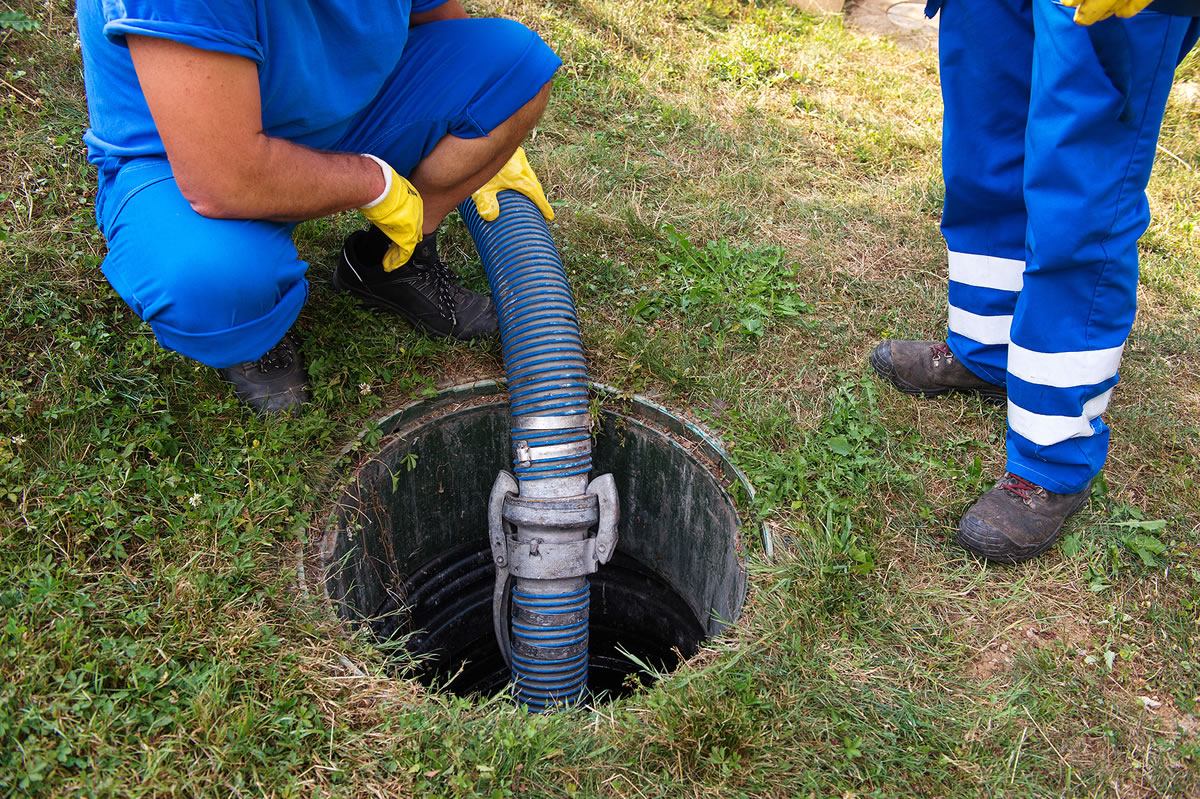
Homes with septic tanks face additional concerns. Wipes that enter the tank may not break down like toilet paper. Instead, they can accumulate with other solid waste, potentially increasing the need for septic pumping or contributing to blockages at the tank outlet and connected plumbing.
If wipes reach the drain field, they can contribute to problems when combined with other solids or system failures. A damaged or clogged drain field can be expensive to address, making careful disposal especially important for households that rely on onsite wastewater treatment.
Watch for toilets that bubble when other fixtures drain, water that rises unusually high in the bowl, multiple slow drains, or recurring backups. These symptoms may indicate a blockage in an individual fixture or farther down the main sewer line.
Avoid repeatedly flushing a backed-up toilet or pouring chemical drain cleaners into the pipes. If several fixtures are affected, contact a septic company to investigate the cause. Professional drain cleaning or a sewer camera inspection may be needed to locate stubborn obstructions.
Being mindful of what you put down your drains is crucial in maintaining a healthy septic system. If you’ve experienced a septic clog or a full septic tank, do not hesitate to contact the professionals at Rooter Septic Services. Our septic pros are here to help with all your septic system needs. From septic pumping to drain field replacement and septic tank installation, we’ve got you covered. Call us now to request a free quote!


