Menu


My experience started with my first interaction with the lady that handled my call. Everyone I spoke to was friendly, professional and down to earth.…

We have licensed septic tank system installers with years of experience.

Rooter Septic Services offers most reliable and affordable septic tank services in the area.

Rooter Septic Services is locally owned and operated septic company. Support a local business.

Rooter Septic Services is a Georgia registered licensed septic company offering insured and certified septic services.

There’s no shortage of products on the market claiming to boost the functionality of your septic system and eliminate the need for septic pumping in Atlanta. Walk down the aisle at any convenience store and you’ll find products promising to “boost bacterial activity, “ “extend the lifespan of your septic tank, “and “reduce the need for septic cleaning.” They are cheap, easy to use, and the marketing is convincing. But the question is, do chemical additives actually work, or are you just flushing money down the drain?
The truth is, chemical additives do more harm than good—they are simply a waste of money. In this post, we’ll talk about why chemical additives don’t replace professional septic cleaning.
A functioning septic tank naturally develops a population of microorganisms that helps break down organic material in wastewater. When wastewater enters the tank, heavier solids settle to the bottom as sludge while lighter materials form a scum layer near the surface.
Bacteria help decompose some of the organic material, but they cannot make all solids disappear. Sludge and scum continue to accumulate as the household uses the system. Eventually, the tank needs to be pumped regardless of whether additives have been used.
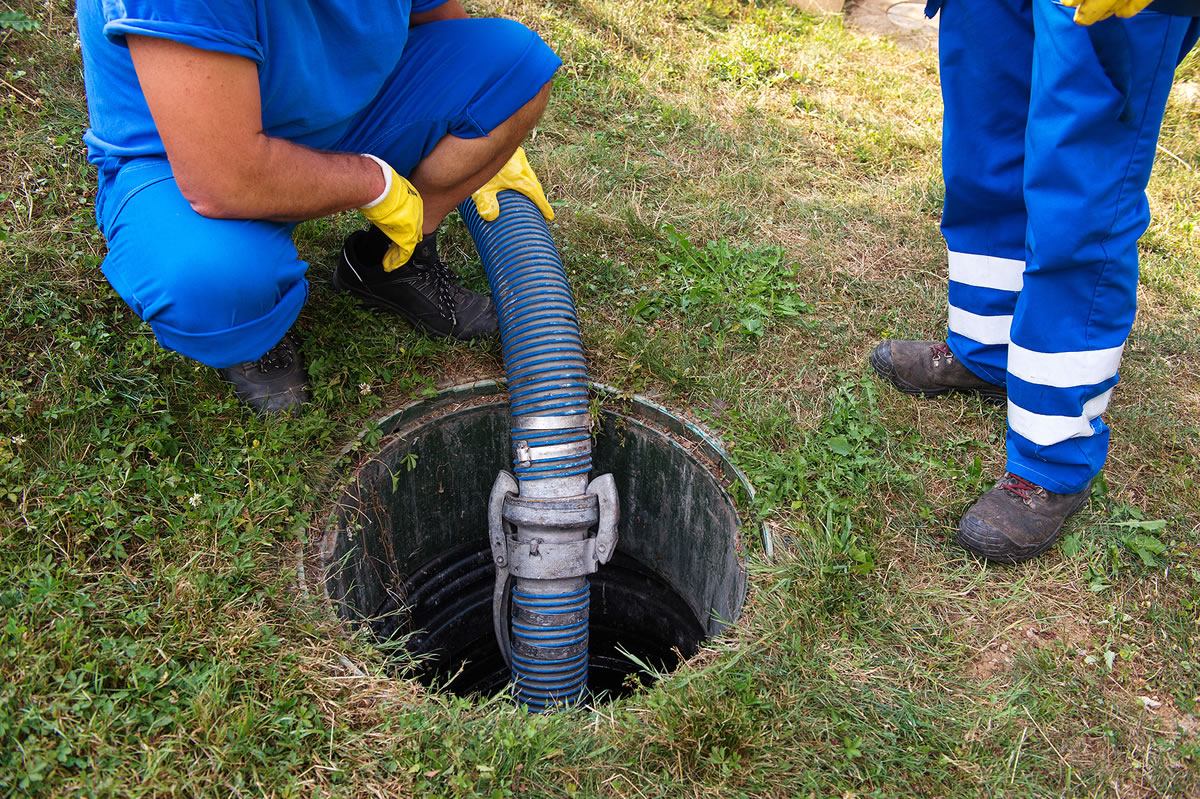
The main purpose of septic pumping is to physically remove accumulated sludge and scum from the tank. A chemical or biological additive cannot perform that function.
Even if an additive changes bacterial activity or helps break down some organic material, it does not eliminate everything entering the tank. Inorganic materials, fats, mineral deposits, and other substances may remain. Relying on an additive to delay septic pumping can allow the solids layer to become too large.
When the tank becomes overloaded, solids can move toward the drain field. This can contribute to drainage problems and put additional strain on the system.
Not every septic additive is necessarily harmful, but homeowners should be cautious about introducing unnecessary chemicals into their wastewater system. Certain products may interfere with the biological balance inside the tank or contribute substances that the system was not designed to handle.
Household cleaners, disinfectants, solvents, and other chemicals can also enter the septic system through normal use. This is another reason to follow product instructions and avoid assuming that more chemicals will make the septic system work better. Consult with a trusted septic company when you notice any signs of septic trouble.
Septic maintenance involves more than trying to break down waste inside the tank. Professional pumping physically removes the accumulated solids and scum that bacteria cannot eliminate. During service, the condition of the tank and accessible components can also be evaluated for signs of damage or other concerns.
Septic cleaning and pumping schedules vary according to tank size, household size, wastewater volume, and other factors. A home with several occupants may accumulate solids at a different rate than a property used by fewer people. If you need expert guidance, get in touch with a professional septic company that has been in the industry for some time.
Is your septic system overdue for pumping? You may have noticed sewage backups into your drains, foul odors around your home, or standing water near the septic tank. The team at Rooter Septic Services is here to help you inspect your septic system and provide you with the right solutions. Don’t wait for costly repairs—schedule an inspection today to ensure everything runs smoothly. Get your septic system checked today!


.jpg)
.jpg)
