Menu

My experience started with my first interaction with the lady that handled my call. Everyone I spoke to was friendly, professional and down to earth.…

We have licensed septic tank system installers with years of experience.

Rooter Septic Services offers most reliable and affordable septic tank services in the area.

Rooter Septic Services is locally owned and operated septic company. Support a local business.

Rooter Septic Services is a Georgia registered licensed septic company offering insured and certified septic services.

Septic tanks are teeming with bacteria, which are responsible for initial decomposition of waste. They transform complex organic waste into simpler, less harmful compounds. However, excessive water usage and frequent use of harsh chemical cleaners are known to harm septic bacteria.
Pushing too much water into a septic tank causes an overload while harsh chemical cleaners negatively affect how bacteria break down waste. In this post, Rooter Septic Services—a professional septic company Atlanta—talks about how household water usage and chemical cleaners negatively impact septic bacteria.
Septic bacteria naturally break down waste that enters the tank. As wastewater sits inside, these microorganisms help decompose organic materials and reduce the amount of solids that accumulate. This process allows the tank to separate waste more effectively and gives the system time to treat wastewater before it moves into the drain field.
When bacterial activity is disrupted, waste may break down more slowly. This can contribute to faster sludge buildup, unpleasant odors, and a greater risk of backups. While bacteria are essential, they cannot prevent every septic problem. Regular septic cleaning and proper maintenance are still necessary.
Your septic tank needs enough time to separate solids and allow bacteria to break down waste. When too much water enters the tank at once, wastewater can move through the system too quickly. This may reduce the time available for treatment and allow solids to escape toward the drain field.
Heavy water usage can also overload the drain field, especially when several household appliances are running at the same time. Washing machines, dishwashers, showers, and toilets all contribute to the daily flow. Spreading out laundry loads, repairing leaking fixtures, and avoiding unnecessary water use can help reduce the strain.
A balanced water flow gives septic bacteria a better environment to work. It also helps protect the drain field from excessive moisture and potential drainage problems. The last thing you want to deal with in your home is an overloaded septic system. Apart from causing sewage backups, it can result in complete septic failure. Watch out for signs of overloading and contact a trusted company for help.
Many household cleaning products contain chemicals that can affect the microorganisms inside a septic tank. Large amounts of bleach, disinfectants, antibacterial cleaners, and harsh drain openers may reduce bacterial activity. While occasional use of some products may not cause serious harm, repeated or excessive use can interfere with the natural treatment process.
This does not mean you must avoid cleaning your home. Instead, choose septic-safe products when possible and follow the recommended amounts. Avoid pouring harsh chemicals or unused cleaning solutions down the drain. If you use a strong product, consider whether it is necessary and dispose of leftovers according to local guidelines.
Simple habits can help maintain a healthier septic system. Use water efficiently, repair plumbing leaks promptly, and avoid flushing anything that does not belong in the toilet. Choose cleaning products carefully and never rely on chemical additives as a substitute for professional maintenance.
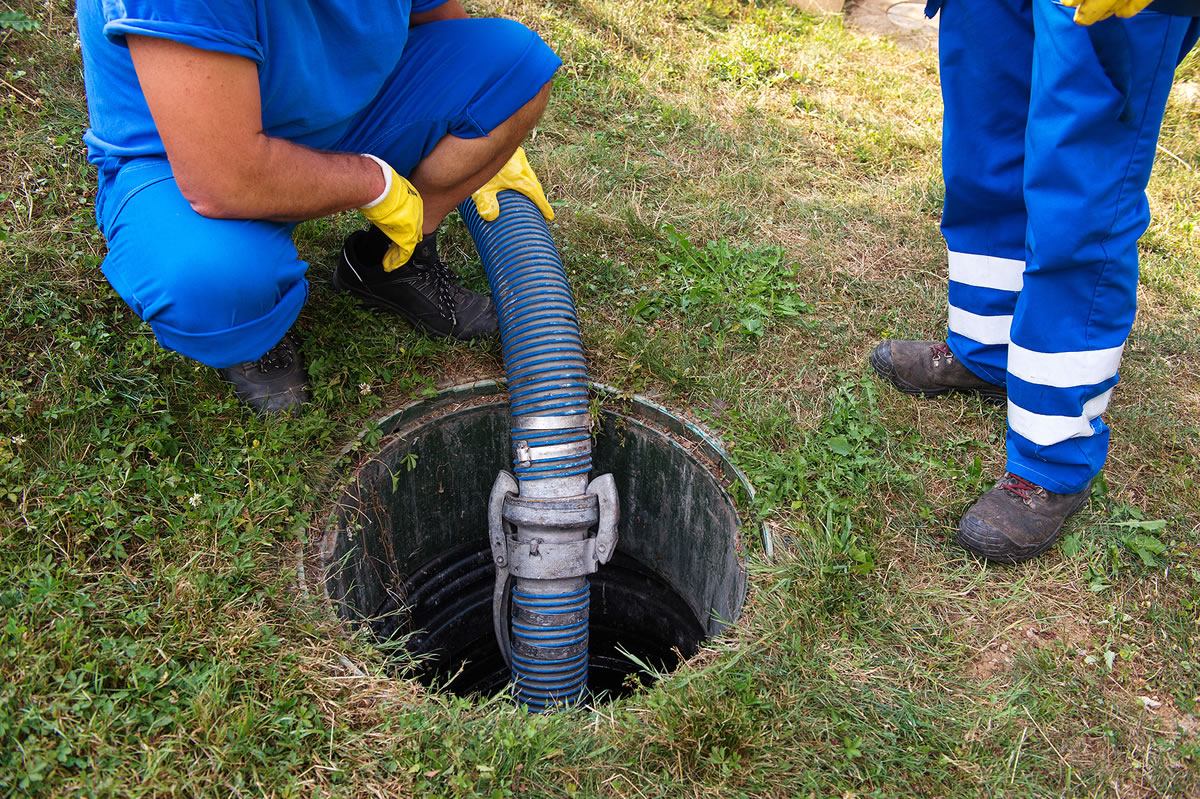
Regular septic pumping is also important because bacteria cannot eliminate all solids. Over time, sludge and scum accumulate and must be removed. A professional inspection can help determine when your tank needs service. Work with a top-rated septic company to come up with a pumping schedule that works for your system.
If you’re unsure whether your septic system is being affected by excessive water use or if you’re due for septic pumping, contact Rooter Septic Services. We are a local septic service provider that you can rely on to keep your septic system in good working order. Call us now to schedule a professional septic inspection!


.jpg)
.jpg)
