Menu

My experience started with my first interaction with the lady that handled my call. Everyone I spoke to was friendly, professional and down to earth.…

We have licensed septic tank system installers with years of experience.

Rooter Septic Services offers most reliable and affordable septic tank services in the area.

Rooter Septic Services is locally owned and operated septic company. Support a local business.

Rooter Septic Services is a Georgia registered licensed septic company offering insured and certified septic services.

Walk into a hardware store or browse online, and you will find plenty of septic tank additives promising to break down waste, eliminate odors, and keep your system running smoothly. Some products contain bacteria or enzymes, while others use chemical ingredients designed to dissolve buildup. Their marketing can make routine septic maintenance in Atlanta sound as simple as pouring a treatment down the toilet. But do these products actually work, or are they an unnecessary expense?
The answer depends on the product, but most household septic systems do not need additives to function properly. Let’s look at what the experts say about septic tank additives.
A septic tank separates household wastewater into three layers. Heavy solids settle to the bottom as sludge, oils and grease float to the surface as scum, and partially clarified wastewater flows into the drainfield. Naturally occurring microorganisms help break down organic material inside the tank.
These bacteria enter the system through everyday household waste and multiply under suitable conditions. In a properly maintained septic tank, this natural biological activity is sufficient to process ordinary household wastewater.
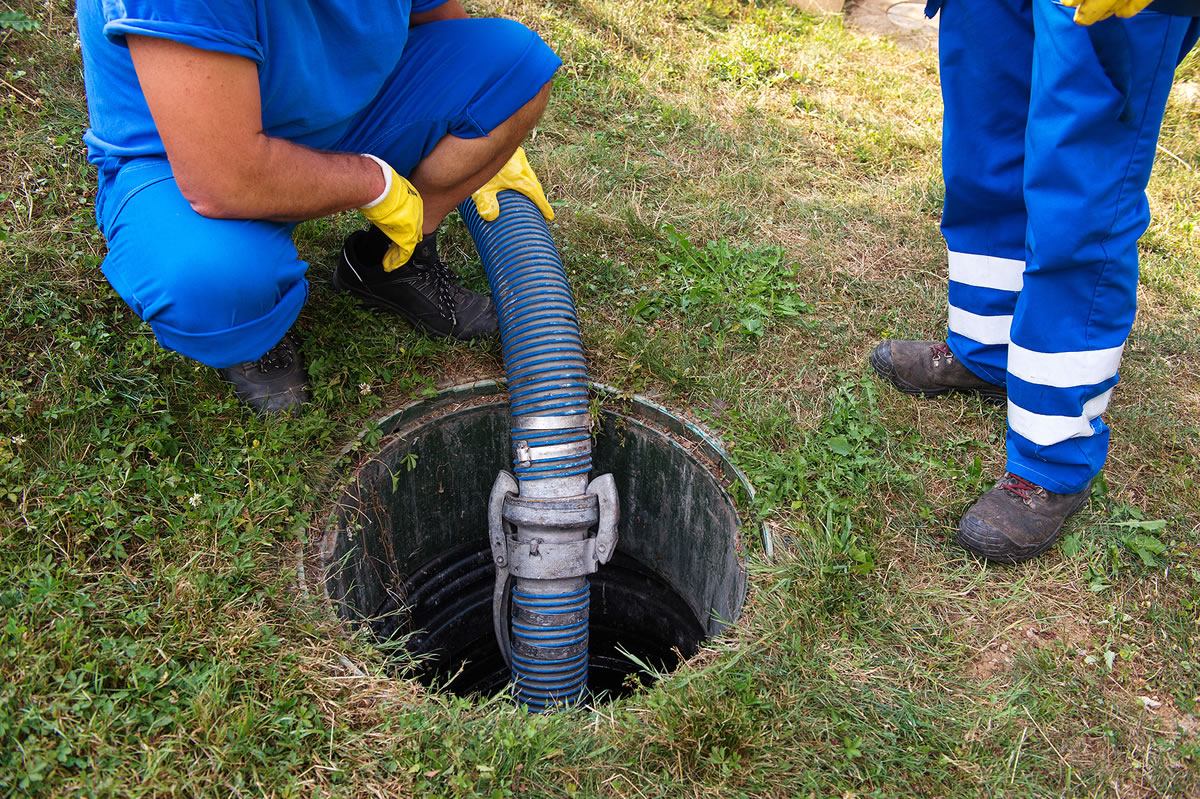
However, biological breakdown does not make all waste disappear. Sludge and scum continue to accumulate over time, which is why periodic septic cleaning and pumping remain necessary.
Biological additives contain bacteria or enzymes intended to support waste decomposition. While certain microorganisms can break down organic matter, research and industry guidance indicate that additives generally offer little benefit for a properly functioning residential septic system. The tank already contains the microorganisms needed for normal operation.
Some products claim to reduce septic pumping frequency, eliminate odors, or restore a failing system. These promises deserve caution. Additives cannot correct a cracked tank, repair damaged baffles, remove a blockage in the outlet pipe, or restore a saturated drainfield.
Chemical additives require additional consideration. Products containing harsh chemicals or solvents may disrupt biological activity, damage plumbing components, or contaminate groundwater. Introducing unapproved substances into a septic system can create problems rather than solve them.
If you are considering an additive because of persistent odors, slow drains, or wastewater backing up into your home, identifying the underlying cause is a better starting point. Call a local septic service provider to inspect your system and offer recommendations.
Some specialized treatments may have a role in particular circumstances, but they should not replace professional assessment or routine maintenance. If your septic system develops recurring problems, a septic company can inspect the tank, check the inlet and outlet components, and assess whether the drainfield is accepting wastewater properly.
A septic tank that fills with solids still needs pumping, regardless of which additive has been used. The recommended septic pumping interval depends on tank capacity, household size, water usage, and the amount of solids accumulating inside.
Rather than relying on additives, focus on habits that support the system's natural processes and reduce unnecessary strain.
If you’re concerned about septic backups, foul odors, or system health, the solution isn’t septic tank additives. You need real and safe solutions from a team of septic experts. Contact Rooter Septic Services for honest advice and reliable septic service. Our septic pros will inspect your septic system, explain your options, and help you keep the system in excellent working condition. Whether you’re in need of septic cleaning or drain field repair, we’ve got you covered. Call us now or request a free estimate!


